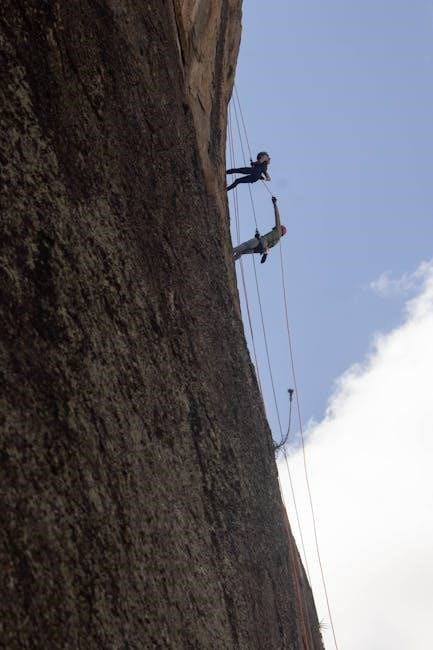
ATC Guide Mode offers versatile belaying and rappelling‚ expanding climbing options beyond basic devices․ It’s a crucial tool for multi-pitch adventures and varied rope diameters․
This mode enhances control and safety‚ particularly when managing a second climber or navigating complex descents‚ making it a valuable asset for any climber․
What is ATC Guide Mode?
ATC Guide Mode is a specialized belay technique utilizing devices like the Black Diamond ATC Guide or Petzl Reverso․ It differs significantly from standard belaying‚ offering increased friction and control‚ especially beneficial during rappelling and belaying a second climber․
Essentially‚ the rope is threaded through the device in a way that creates more contact with the braking surfaces․ This allows for smoother‚ more controlled descents‚ and provides a secure hold when managing slack for a second climber on a multi-pitch climb․ The guide mode facilitates belaying in both directions‚ simplifying transitions and enhancing efficiency․ It’s a cornerstone technique for experienced climbers tackling more complex routes․
Benefits of Using ATC Guide Mode
ATC Guide Mode unlocks several advantages for climbers․ It excels in multi-pitch scenarios‚ simplifying belaying and rappelling transitions with its bidirectional capabilities․ The increased friction provides superior control during descents‚ enhancing safety‚ particularly with heavier loads or varying rope diameters․
Furthermore‚ guide mode facilitates belaying a second climber more efficiently‚ reducing effort and improving responsiveness․ Investing in a guide-style device now avoids needing separate tools later for advanced techniques like twin/half rope climbing․ It’s a versatile solution‚ offering greater convenience and opening doors to more challenging climbs‚ ultimately improving the overall climbing experience․
Understanding the Black Diamond ATC Guide
The Black Diamond ATC Guide is a robust belay device designed for versatility‚ excelling in guide mode and standard belaying․ It’s a popular choice for its durability and ease of use․
Key Features of the ATC Guide
The ATC Guide boasts several key features enhancing its functionality and safety․ Its distinct design allows for smooth belaying in both standard and guide modes‚ accommodating a wide range of rope diameters․ Strength tests‚ as of April 30‚ 2026‚ demonstrate a breaking strength of 29․07kn for the eye‚ and 12․41kn for the guide eye․
The device’s construction includes a wire that broke at 7․62kn during testing‚ highlighting a potential wear point․ Importantly‚ the ATC Guide facilitates controlled descents‚ especially crucial during multi-pitch rappels․ It’s compatible with twin and half ropes‚ expanding climbing possibilities․ Its lightweight build doesn’t compromise durability‚ making it a reliable companion for various climbing scenarios․
Differences Between ATC Guide and ATC Alpine Guide
While both Black Diamond ATC Guide and Alpine Guide offer versatility‚ key distinctions exist․ The ATC Alpine Guide is generally lighter and more streamlined‚ geared towards alpine efficiency․ However‚ strength tests conducted on April 30‚ 2026‚ reveal the ATC Alpine Guide’s eye broke at 30․11kn‚ slightly higher than the ATC Guide’s 29․07kn․
The ATC Guide‚ conversely‚ provides a slightly larger surface area for heat dissipation during long rappels․ Both devices function effectively in guide mode‚ but the ATC Guide’s robust build may be preferable for frequent‚ heavy use․ Choosing between them depends on prioritizing weight versus durability and intended climbing style․
How to Properly Use ATC Guide Mode
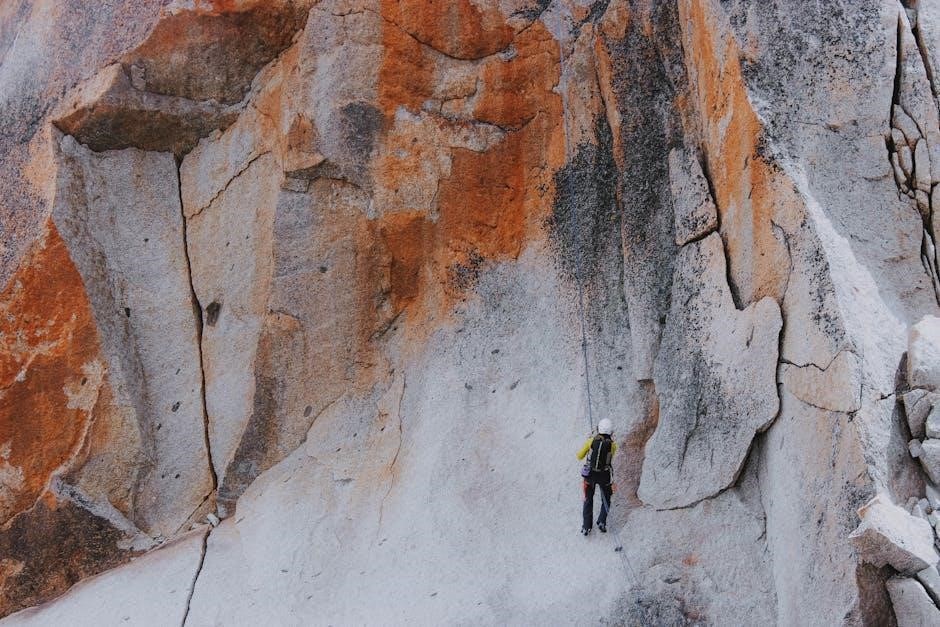
Mastering ATC Guide Mode requires correct setup and hand positioning․ Ensure the device is threaded properly and a locking carabiner secures it to your belay loop for safety․
Step-by-Step Guide to Setting Up
Begin by threading the rope correctly through the ATC Guide‚ following the device’s directional arrows․ Ensure sufficient tail length – at least 6 inches – for a secure grip․ Next‚ attach a locking carabiner through the belay loop and the designated hole in the ATC Guide․
Double-check that the carabiner gate is fully locked․ When using guide mode‚ the rope runs freely through both sides of the device․ Verify the rope isn’t twisted and that the device is oriented vertically․
Practice the setup several times on the ground before attempting to belay or rappel․ Incorrect threading can compromise safety‚ so meticulous attention to detail is paramount․ Remember‚ accidental release is dangerous‚ avoid disengaging the device unnecessarily․
Correct Hand Position for Belaying in Guide Mode
Maintaining proper hand position is critical in ATC Guide Mode․ Keep a firm grip on both the brake strand and the rope leading to the climber; Your brake hand should be positioned ready to immediately apply friction if the climber falls․
Avoid palming the rope‚ as this reduces your ability to quickly react․ Instead‚ focus on a secure pinch grip․ Regularly check your hand position‚ especially during long belays‚ to prevent fatigue․
Never allow the brake strand to slip through your hand․ A controlled‚ responsive grip is essential for safe and effective belaying in guide mode‚ ensuring immediate stopping power․
Safety Considerations in ATC Guide Mode
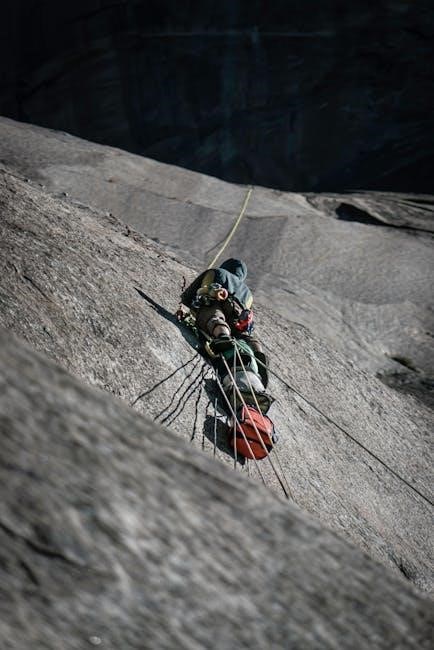
Accidental release of the ATC Guide is a serious hazard; avoid hooking carabiners to disengage it․ Consistent vigilance and proper technique are paramount for climber safety․
Potential Risks and How to Mitigate Them
Utilizing ATC Guide Mode introduces specific risks demanding careful attention․ The primary concern revolves around accidental device release‚ potentially leading to uncontrolled descents․ Never attempt to disengage the device with a carabiner as demonstrated in discouraged practices․
Mitigation begins with diligent practice and understanding of the locking mechanism․ Always ensure a secure carabiner placement through your belay loop․ Regularly double-check the setup before each belay or rappel․ Maintain constant awareness of rope flow and friction․
Furthermore‚ proper training is essential․ Seek guidance from experienced climbers or certified instructors to master correct hand positioning and emergency procedures․ Prioritize a focused mindset‚ avoiding distractions during critical maneuvers․ Remember‚ proactive safety measures are crucial for a secure climbing experience․
Avoiding Accidental Release of the Device
Preventing accidental release of the ATC Guide is paramount for safety․ The device‚ when engaged in guide mode‚ can be inadvertently disengaged by hooking a carabiner into the front hole and pulling upwards․ This action‚ while seemingly simple‚ creates a dangerous situation․
To avoid this‚ never introduce a carabiner into that specific opening during belaying or rappelling․ Maintain a firm grip and conscious control over the device at all times․ Regularly inspect the carabiner gate for proper closure and locking function․
Focus on deliberate movements and avoid any unnecessary manipulation of the device․ Prioritize a secure and stable belay stance‚ minimizing the risk of accidental contact; Consistent practice and mindful awareness are key to preventing unintended release․

Performance Testing and Data (as of 04/30/2026)
Recent tests (04/30/2026) reveal the Black Diamond ATC Guide held 29․07kn‚ while the Petzl Reverso 4 broke at 19․59kn during double rope rappels․
Black Diamond ATC Guide ౼ Strength Tests
Comprehensive strength testing of the Black Diamond ATC Guide‚ conducted on April 30th‚ 2026‚ yielded significant data regarding its performance under stress․ In guide mode‚ the device demonstrated rope slippage at 5․5kn and 6․94kn‚ indicating a moderate level of friction․ Normal belay mode revealed slippage at 2․44kn‚ with the rope ultimately breaking at 9․45kn when subjected to increased force․
Notably‚ the wire component failed at 6․65kn‚ while the eye of the device withstood a substantial 29․07kn before breakage․ These results‚ obtained using a 10․0mm static BD rope‚ provide valuable insights into the ATC Guide’s structural integrity and limitations‚ informing safe usage practices for climbers․
Petzl Reverso 4 ౼ Strength Tests Comparison
Comparative strength testing against the Petzl Reverso 4‚ also performed on April 30th‚ 2026‚ highlights key differences․ The Reverso 4 exhibited rope slippage in normal belay mode at 2kn and 2․5kn‚ and ultimately broke the test rope at 10․64kn with a 3․12kn tail․ During double rope rappelling‚ it failed at 19․59kn with a 6․49kn tail load․
The Reverso 4’s wire broke at 7․62kn‚ and its guide eye at 12․41kn․ These figures‚ derived using the same 10․0mm static BD rope‚ allow for a direct comparison with the Black Diamond ATC Guide‚ revealing variations in load capacity and failure points‚ crucial for informed gear selection․

Advanced Techniques with ATC Guide Mode
Mastering ATC Guide Mode unlocks techniques like smooth multi-pitch rappels and efficient belaying of a second climber‚ enhancing your climbing versatility and safety․
Multi-Pitch Rappelling with ATC Guide
The ATC Guide excels in multi-pitch rappelling‚ offering a secure and controlled descent․ Utilizing the guide mode allows for smooth‚ hands-free operation‚ crucial when managing rope lengths and transitions on complex routes․ Ensure proper rope threading through both rope channels for redundancy and increased friction․
Remember to always lock off the device before weight is applied and maintain consistent tension on the brake strand․ The guide mode’s wider V-shape accommodates multiple ropes simultaneously‚ simplifying twin or half-rope rappels․
Avoid accidental release by ensuring the carabiner remains securely locked and positioned correctly․ Regularly inspect the device for wear and tear‚ particularly the eyelets‚ before and after each rappel․ Prioritize a controlled descent and communicate clearly with your climbing partner․
Belaying a Second in Guide Mode
Belaying a second climber with the ATC Guide in guide mode provides enhanced control and friction‚ crucial for managing weight differences․ The guide mode allows for a more dynamic belay‚ absorbing potential falls more effectively․ Maintain a firm grip on both rope strands‚ ensuring consistent brake-hand pressure․
Proper hand positioning is vital; keep your brake hand below the device‚ ready to lock off immediately․ Communicate clearly with both climbers‚ providing verbal cues and anticipating movements․ Regularly check the device for proper rope alignment and carabiner security․
Avoid distractions and maintain focus throughout the belay process․ Remember‚ accidental release is dangerous; ensure the carabiner is securely engaged and the device remains locked․
Choosing the Right Device: ATC Guide vs․ Alternatives
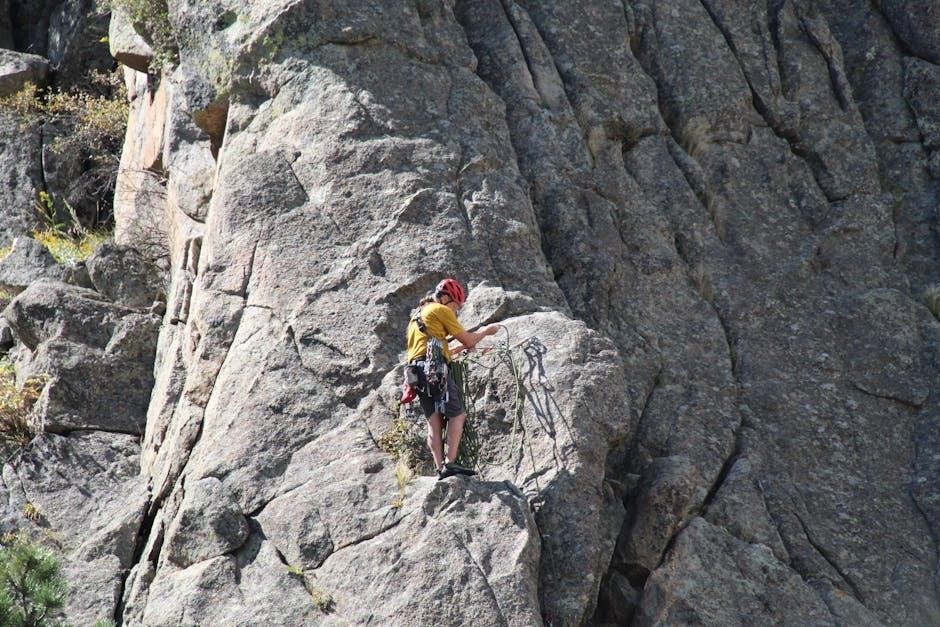
Guide-style devices‚ like the ATC Guide‚ offer versatility for single and multi-pitch climbing‚ surpassing simpler options․ Investing now avoids future purchases as skills progress․
Why Invest in a Guide-Style Device?
Choosing a guide-style belay device‚ such as the Black Diamond ATC Guide‚ Petzl Reverso‚ or Grivel Belay Master Pro‚ represents a strategic investment in your climbing future․ While simpler devices like the Pilot or XP may suffice initially‚ they lack the versatility needed for more advanced techniques․
A guide-style device seamlessly transitions between belaying and rappelling‚ particularly beneficial for multi-pitch climbs where efficiency and safety are paramount․ Furthermore‚ these devices readily accommodate twin or half ropes‚ opening doors to a wider range of climbing styles and terrain․
The convenience of rappelling with two strands‚ rather than managing a tag line with a single-strand setup‚ significantly enhances safety and ease of use․ Ultimately‚ a guide-style device provides a comprehensive solution‚ eliminating the need to purchase additional equipment as your climbing skills evolve․
Comparison with Petzl Reverso and Grivel Belay Master Pro
Comparing the Black Diamond ATC Guide with the Petzl Reverso 4 and Grivel Belay Master Pro reveals nuanced differences․ Strength tests (as of 04/30/2026) show the ATC Guide’s eye broke at 29․07kn‚ while the Reverso 4 withstood 12․41kn in a similar test․ The Grivel’s performance data isn’t directly provided here for comparison․
The Reverso 4 exhibited slippage at lower forces (2kn) in normal belay mode‚ whereas the ATC Guide slipped at 5․5kn in guide mode․ These variations impact belay feel and control․ All three devices offer guide mode functionality‚ but subtle design differences affect rope threading and overall ergonomics․
Ultimately‚ the “best” device depends on individual preferences and climbing style․ Considering strength‚ ease of use‚ and specific needs will guide your choice․
Maintenance and Inspection of ATC Guide
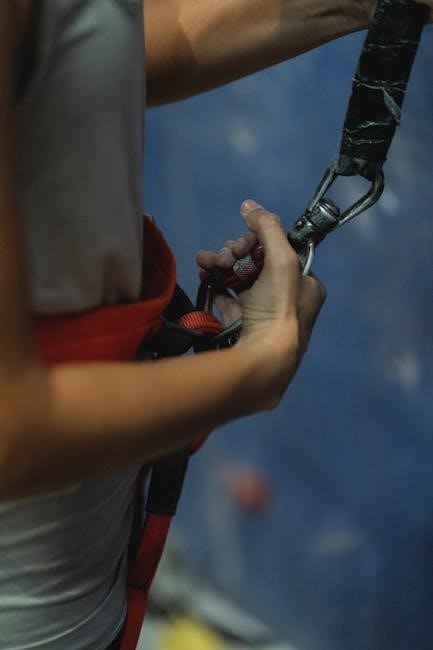
Regular inspection is vital; check for wire integrity (tests showed failures at 6․65kn) and eye damage․ Proper cleaning and storage prolong the device’s lifespan and reliability․
Regular Inspection Points
Prior to each use‚ a thorough visual inspection of the Black Diamond ATC Guide is paramount for safety․ Carefully examine the device for any signs of wear‚ cracks‚ or deformation‚ particularly around the eyelets and the guide mode aperture․ Pay close attention to the wire retaining clip; testing revealed failures at 7․62kn‚ highlighting its vulnerability․
Inspect the rope channels for burrs or sharp edges that could damage the rope․ Ensure the gate of the locking carabiner functions smoothly and isn’t bent or compromised․ Regularly check for any looseness in the device’s construction․ A damaged or worn ATC Guide should be immediately retired to prevent potential accidents during belaying or rappelling․ Consistent inspection is non-negotiable․
Proper Cleaning and Storage
Maintaining your ATC Guide extends its lifespan and ensures reliable performance․ After use‚ especially in dirty or wet conditions‚ rinse the device with lukewarm water to remove dirt and grime․ Avoid harsh detergents or solvents‚ as these can damage the aluminum alloy․
Thoroughly dry the ATC Guide before storage to prevent corrosion․ Store it in a clean‚ dry place‚ away from direct sunlight and extreme temperatures․ Avoid storing it with other metal objects that could cause scratches or abrasions․ Regular cleaning and proper storage are essential for preserving the integrity of the device and maximizing its safety․
Real-World Applications and Scenarios
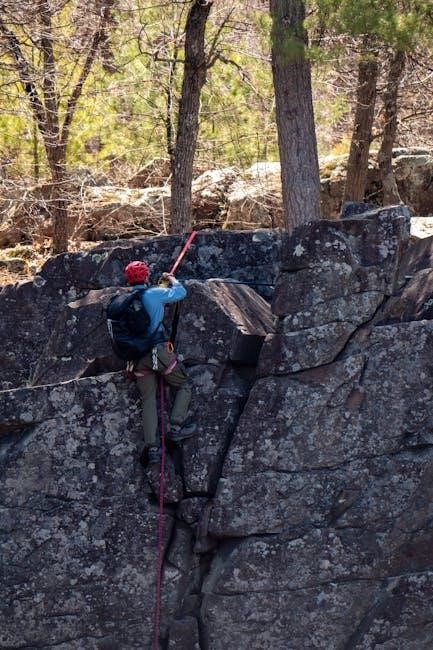
ATC Guide Mode excels in single and multi-pitch climbs‚ and twin/half rope systems‚ offering adaptable belaying and rappelling for diverse climbing situations․
Single-Pitch Climbing with ATC Guide
For single-pitch climbs‚ the ATC Guide provides a robust and reliable belay solution‚ even if you aren’t utilizing its full capabilities․ While a simpler device might suffice‚ the Guide’s versatility offers a safety margin and prepares you for future progression․
It simplifies rope management‚ allowing for smooth feeding and consistent friction․ The device’s construction and design contribute to heat dissipation during long belays‚ enhancing comfort and reducing wear․ Even when not employing guide mode specifically‚ the ATC Guide’s build quality and ergonomic features make it a comfortable and dependable choice for top-roping or lead belaying on single strands․
Ultimately‚ investing in a guide-style device now avoids the need to purchase additional equipment later as your climbing skills and ambitions evolve․
Twin/Half Rope Climbing with ATC Guide
The ATC Guide truly shines when utilized with twin or half ropes‚ a scenario where its specialized design becomes essential․ This mode allows for safe and efficient belaying and rappelling with two strands simultaneously‚ crucial for longer routes and increased redundancy․
The device’s geometry ensures proper rope alignment and friction‚ minimizing the risk of twisting or tangling․ This is particularly important when managing two ropes‚ as incorrect setup can lead to complications during a fall or descent․ The guide mode facilitates controlled rappels with both strands‚ enhancing safety and speed․
Investing in a guide-style device preemptively avoids needing a separate device when transitioning to twin/half rope techniques․